Advanced laboratories play a pivotal role in developing agricultural solutions. And ILRI is well known for its two large campuses in Kenya and Ethiopia, which draw partner organizations and scientists from around the world to use its first-rate facilities. Both East African campuses serve as research hubs for government agencies and ministries, leading universities, and national and international research institutions.
Nairobi campus
ILRI’s 67-hectare Nairobi campus presents a swathe of highly specialized research facilities.
An experimental farm provides a real-world environment for conducting trials on different livestock species, forages, and integrated crop-livestock systems, with quarantine and isolation facilities including a biosafety-level-3 laboratory to ensure biosecurity.
Livestock and crop research is further shared and focused within a Biosciences eastern and central Africa-ILRI Hub (BecA-ILRI Hub). ILRI's Mazingira Centre utilizes state-of-the-art analytical equipment to investigate the environmental impacts of Africa’s diverse livestock systems. ILRI's One Health Research, Education and Outreach Centre in Africa (OHRECA) joins up research to improve animal, human, and environment health by better detecting and preventing disease outbreaks, improving food safety, and providing antimicrobial stewardship.
Just an hour's drive away from its Nairobi campus, ILRI owns and runs Kapiti Research Station and Wildlife Conservancy, a 13,000-hectare wildlife-enriched working ranch where research is conducted on animal health, productivity, and genetics; forage production; environmental research and climate change mitigation; and research at the wildlife-livestock interface.
In addition to laboratories and services, the Nairobi campus provides facilities for quantitative modeling, surveying, qualitative fieldwork, participatory approaches, and open-source data and information management that underpin livestock socioeconomics and policy analyses research.
ILRI ensures that its facilities receive significant investments to maintain responsive, cutting-edge scientific research. This flexibility was made clear at the beginning of the COVID-19 pandemic, when ILRI swiftly pivoted the work of some of its bioscience laboratories to support national and regional COVID-19 responses.
ILRI adapted its high-containment animal health labs for human COVID-19 testing and leveraged staff expertise in molecular diagnostics to analyze and track variants of the causative virus, SARS-CoV-2. Healthcare workers came to ILRI for vital training in sample handling and testing. In doing so, ILRI helped to inform public health responses and to standardize protocols for COVID-19 reporting at the regional level.
These crucial resources and COVID-19 initiatives were integrated into ILRI’s existing One Health programs. This nimble response underscores the value of well-equipped, multidisciplinary bioscience facilities and staff in managing both livestock and human health emergencies.
Addis Ababa campus
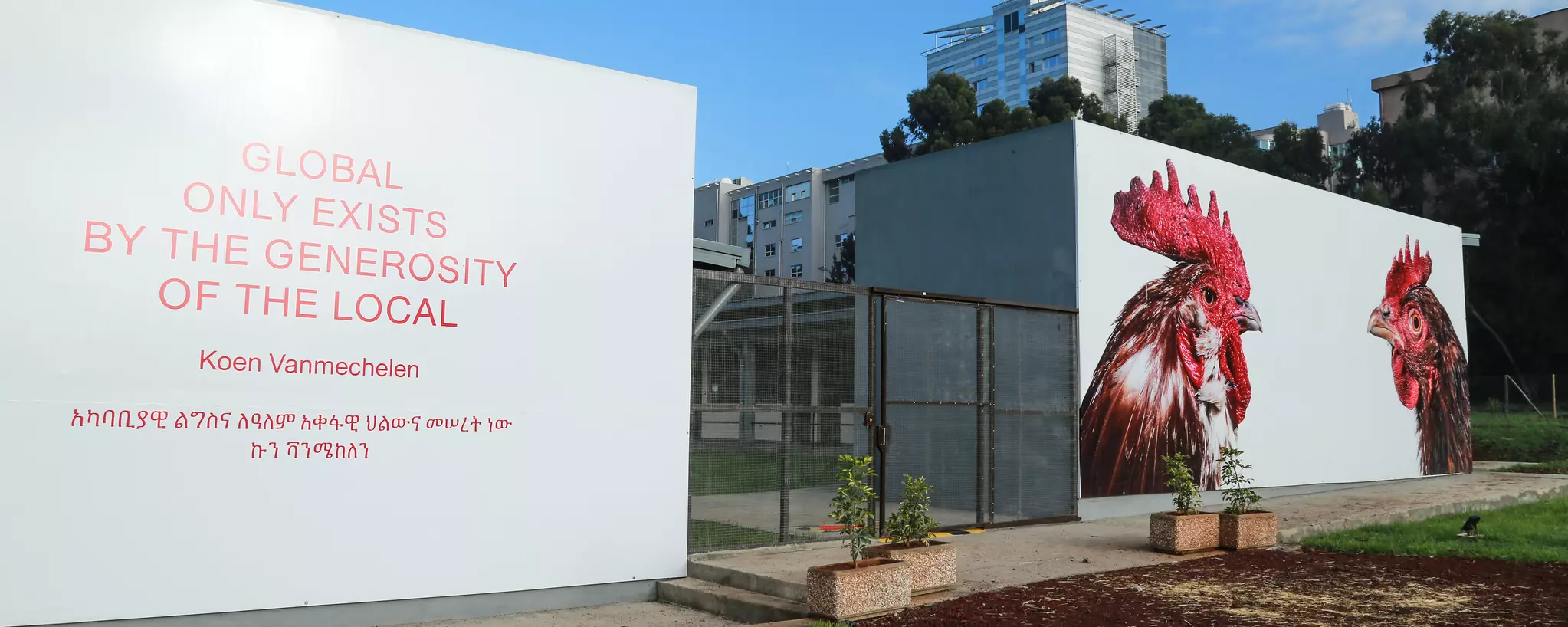
The specialized research facilities on ILRI's 34-hectare campus in Addis Ababa, Ethiopia, include laboratories for animal health and nutrition research; microbiology and parasitology labs; a poultry research and education facility, known as "Incubated Worlds", focused on poultry genetics and breeding; a Feed Nutritional Analysis Laboratory; and a Forage Genebank and Herbage Seed Unit, which conserve and disseminate the world’s largest collection of African grasses and tropical highland forages.
Like ILRI's Nairobi campus, the institute's Addis Ababa campus has livestock housing units for cattle, sheep, goats, and poultry for conducting research in animal breeding, health, and productivity. The Ethiopian campus also serves the region as a unique "research park" for collaborating CGIAR centers and local and international partners.
Other ILRI facilities and field sites
ILRI has field sites and collaborative research stations across Africa and Asia. These include a NIRS (near-infrared spectroscopy) Feed Technology Platform in India; a NIRS Instruments Network in Burkina Faso, Ethiopia, and India; a nutrition lab in Nigeria; three One Health field labs in rural Kenya; and a biobank repository in Uganda.
Frontier research facilities
ILRI portfolio of research is striking in its scope, covering, as it does, the diverse livestock value chains of the Global South, from dairying to beef, sheep, goat, pig and poultry production; from pastoralism to smallholder mixed farms; and from animal health, genetics, and feeds to livestock policies and livelihoods.
ILRI’s exceptional infrastructure makes the following kinds of frontier research possible.
Animal and human health
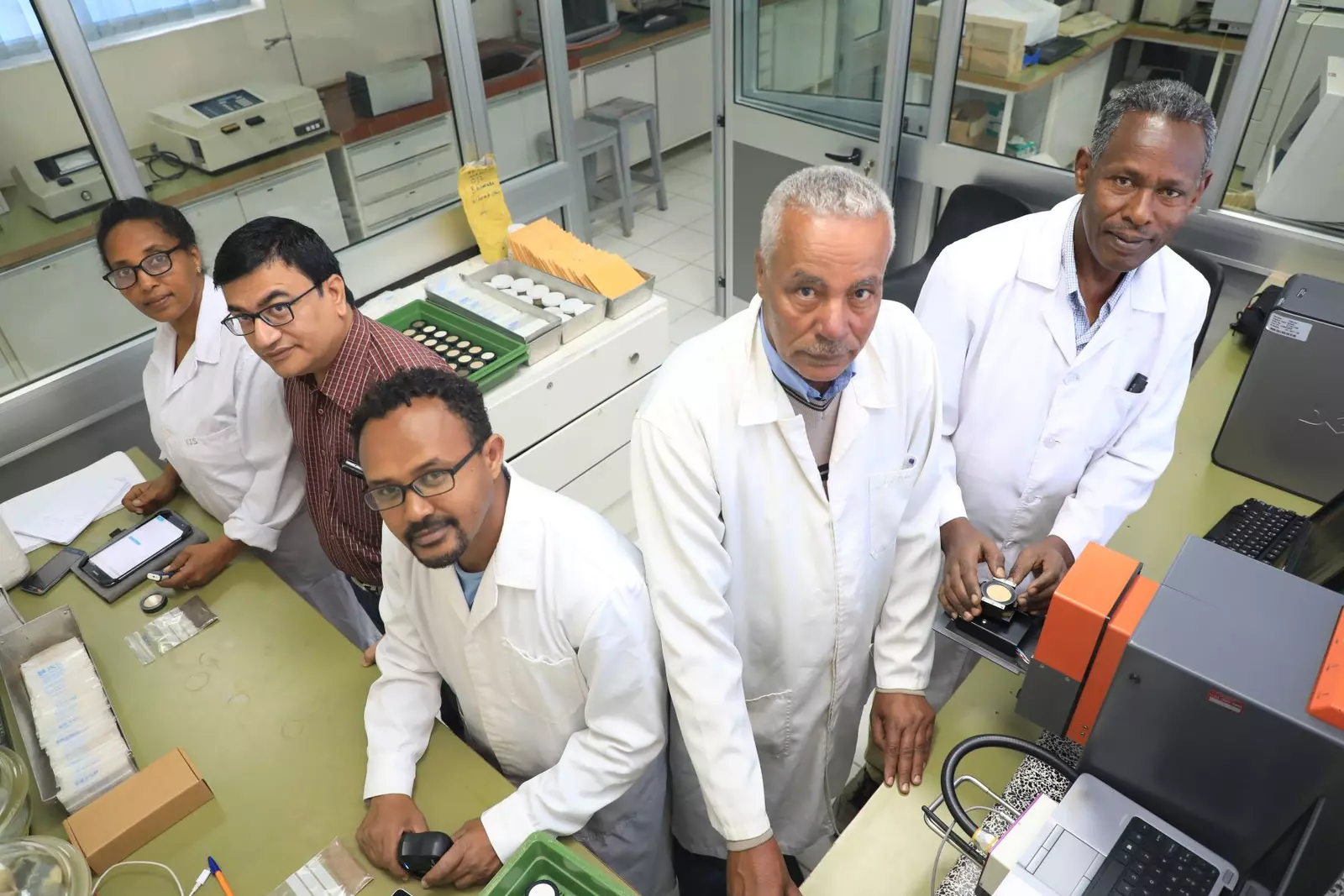
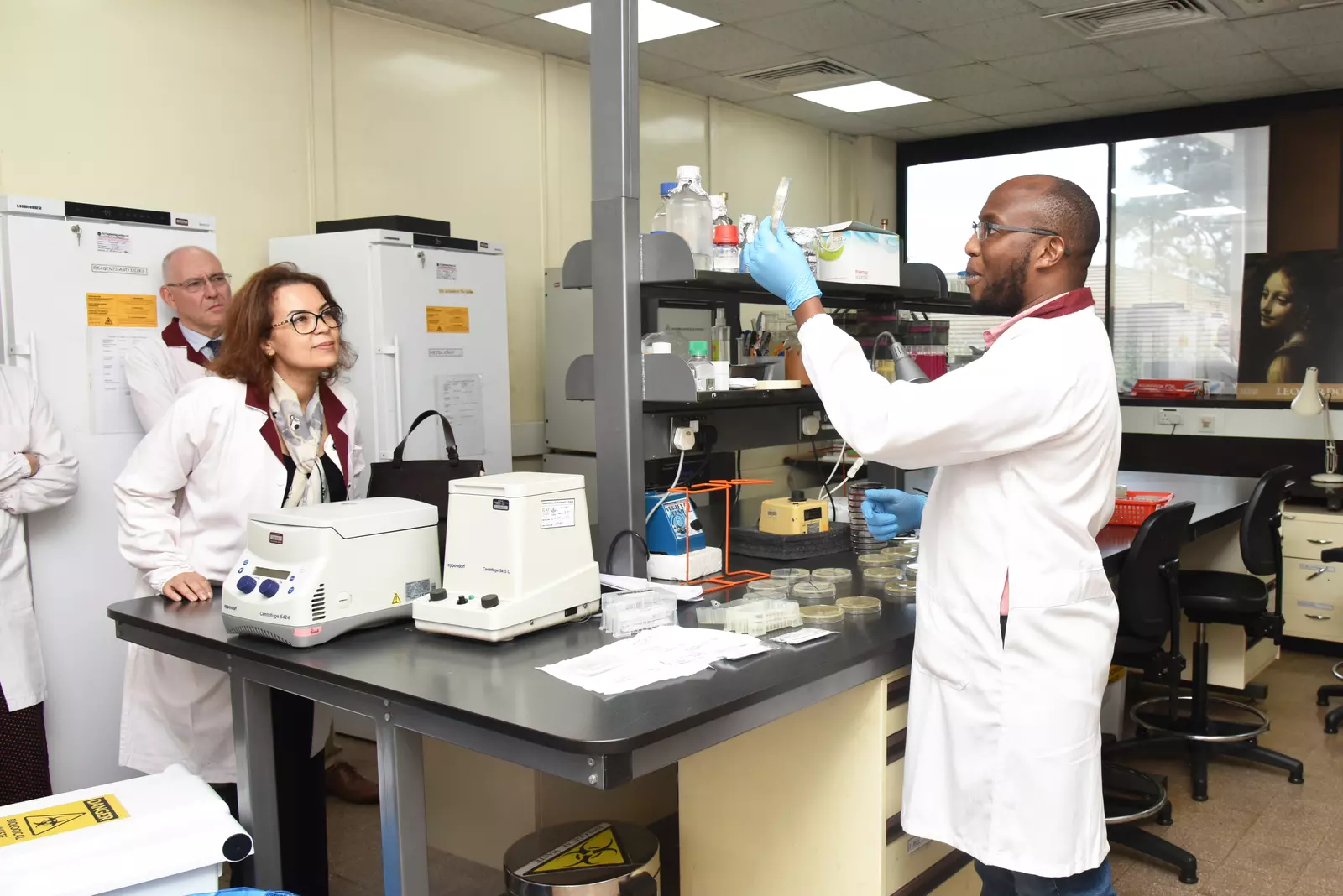
Vaccine development and bioinformatics platforms make it possible to develop vaccines and diagnostic tests. Researchers are unpicking the complexity of gene functions using reverse genetics techniques and CRISPR technologies to edit genes. Biocontrol agents are being explored in the form of bacteriophage cocktails, and pathogens are safely analyzed in biosafety level-1, -2 and -3 labs. The Tick Cell Biobank and Tick Unit are exploring how to better control tick-transmitted livestock diseases. PCR instruments that amplify DNA or RNA, high-throughput genetic sequencing, ELISA tests and DNA microarrays allow for the rapid identification and containment of outbreaks of emerging diseases such as bird flu and SARS. Contaminated food and feed are detected and analyzed in a Mycotoxin and Nutrition Analysis Lab. And the nutritional quality and safety of food and feed are analyzed in a Food and Nutritional Evaluation Lab.
Animal genetics
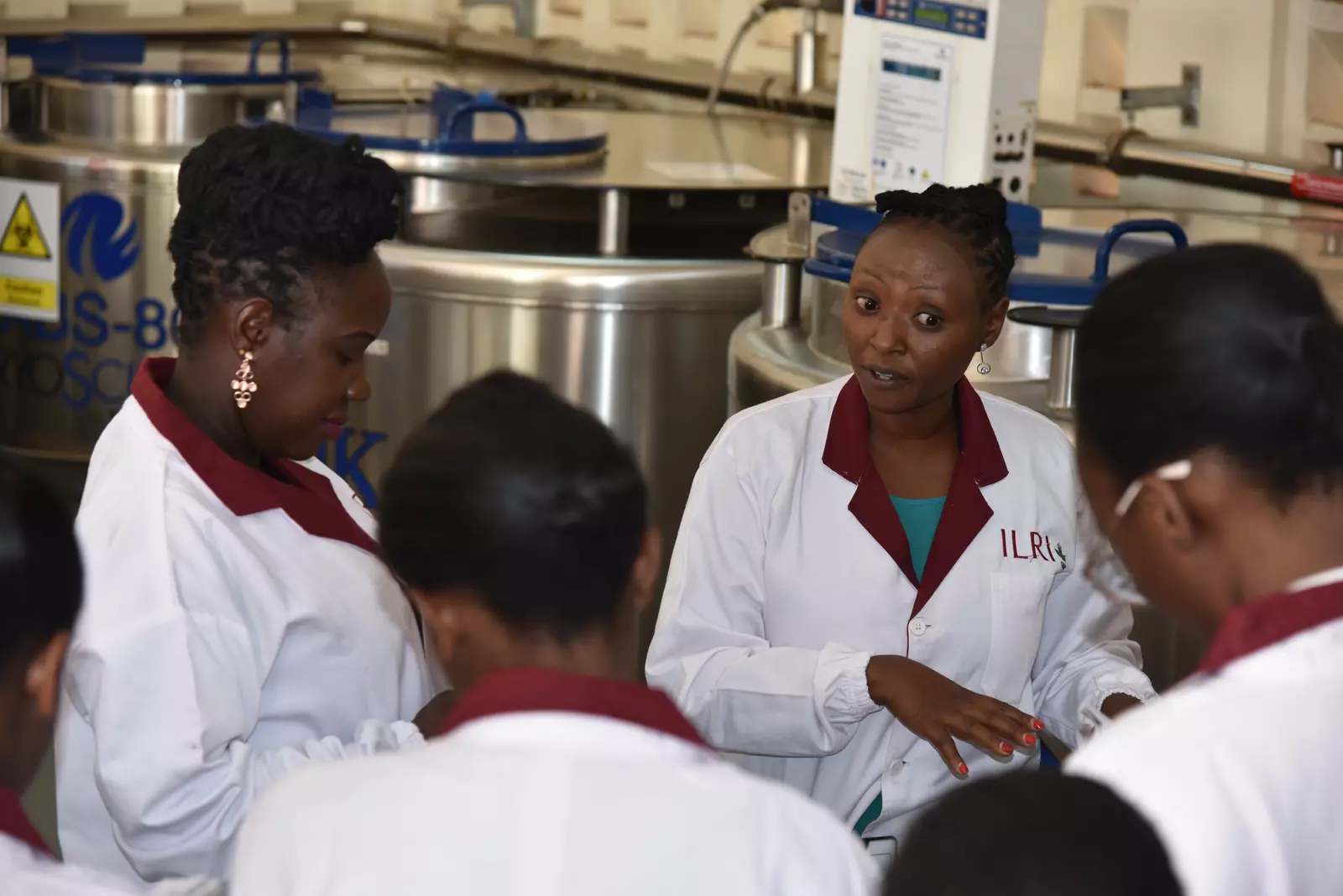
ILRI's Azizi Biorepository and Liquid Nitrogen Plant safely store livestock genetic materials for current and future research use. Platforms for Genetic Sequencing, Genotyping and Oligosynthesis, Genetics and Genomics, and Bioinformatics are used to analyze genetic, proteomic, and phenotypic data; to breed improved indigenous animals such as heat-tolerant and disease-resistant tropical cattle breeds; to map the genomic diversity of livestock breeds in Africa and Asia; and to create a rich storehouse of global livestock diversity.
Animal feeds
Tropical livestock and forage resources are conserved and improved through a Greenhouse and Plant Science Lab and NIRS techniques, which, for example, make it possible to quickly assess the nutritive quality of crop residues as feed. ILRI’s forage demo plot in its Nairobi campus provides a showcase for some of the feeds ILRI researchers are trialing and exploring for their numerous benefits for livestock keepers.
Environmental health
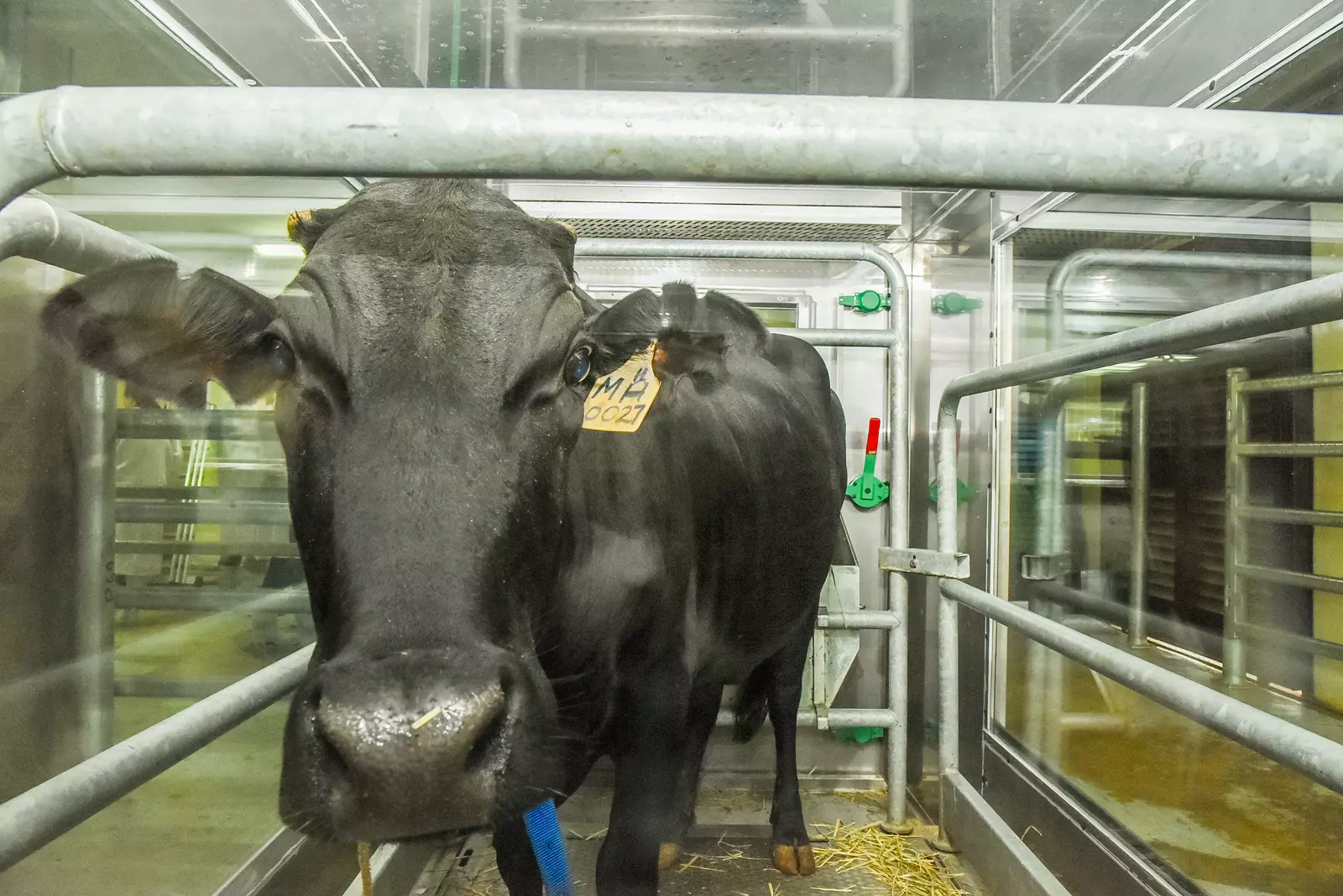
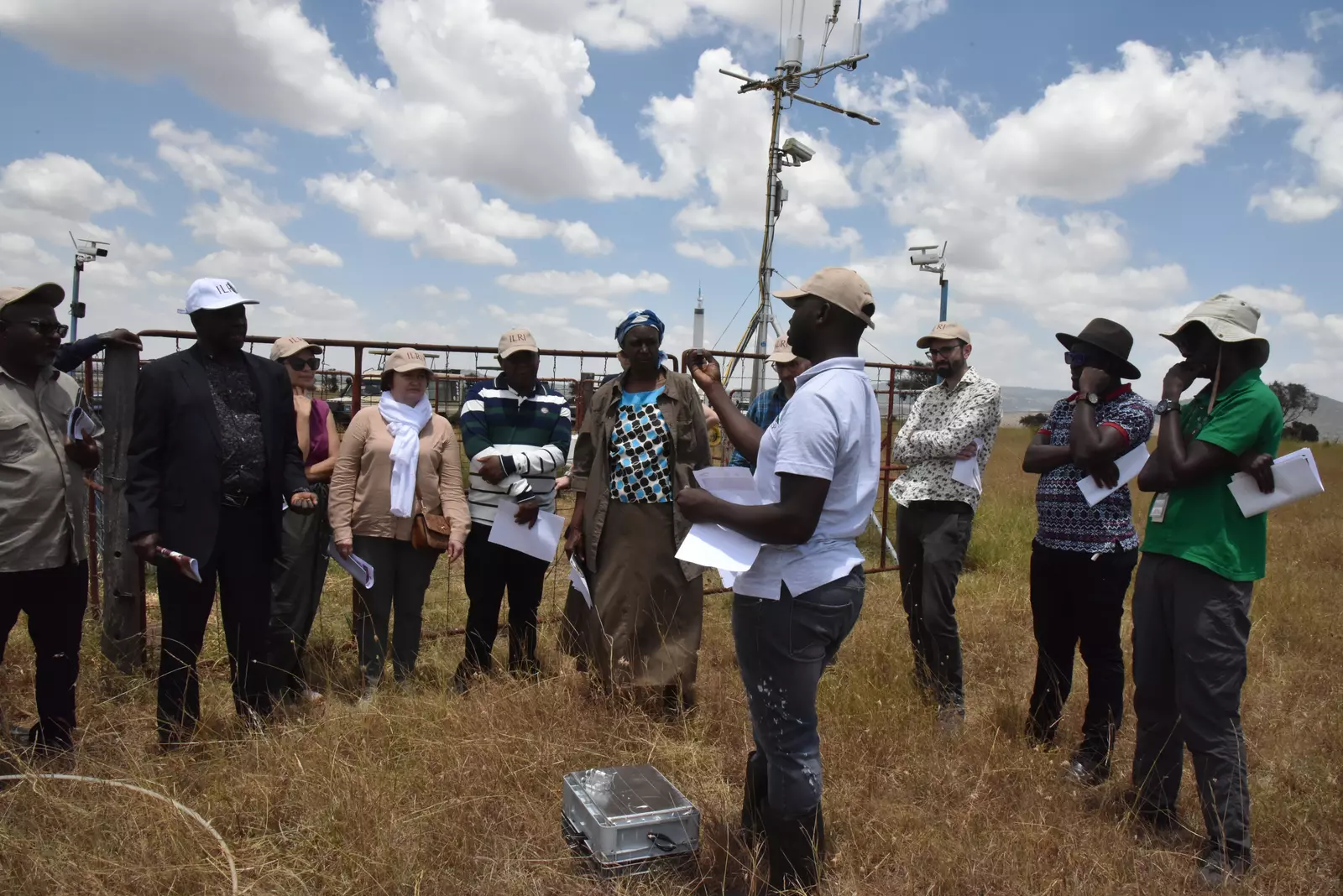
The very first reliable measurements of greenhouse gases from Africa’s livestock systems have been made using ILRI’s gold standard greenhouse gas chambers. And scientists are mapping the world's rangelands and Africa's soil types with GIS, GPS, and other remote sensing and digital technologies while measuring tropical rangeland surface temperatures with state-of-the art land surface validation towers and a flux tower observation station at ILRI's Kapiti Research Station.
The human foundation
While ILRI's many labs and field sites serve as research, collaboration, and training hubs, helping partners and staff to learn from, and to cultivate, local expertise, to build multidisciplinary teams, and to execute a world-class global livestock-for-development research agenda, the heart of ILRI is its human infrastructure—the highly skilled workforce of scientists and technicians, trainers and managers, students and partners who create the practices, the protocols, and the culture—the "scientific ethos"—that is the very foundation of all scientific advancement.
Article written by Susan MacMillan, ILRI Emeritus Fellow, with contributions from Annabel Slater, ILRI Digital Content Specialist